Printing on velvet: the box the award arrives in
Velvet takes ink. The box in these photographs is blue flocked board printed direct in white with two brand logos, one of them bilingual. Here is how it is done, what we test before the run, and where the award inside fits in.

Can you print on velvet?
Yes. Velvet and flocked presentation boxes take direct UV ink, and it cures on the surface of the fibre instead of soaking into it. The blue box at the top of this page is flocked board printed in white with two brand logos, the lower one a bilingual Arabic and English lock-up, and nothing was applied to the box first.
That is the short answer, and it is the one most people are looking for, because almost everything written about printing on velvet is about velvet fabric by the metre. A presentation box is a different problem: the fibre is short, it is glued to a rigid board that will not flex, and the piece has to come off the bed looking like packaging rather than like a test print.
Why velvet behaves differently from paper or acrylic
On acrylic or glass the ink meets one flat plane. On velvet it meets thousands of fibre ends standing up at slightly different heights, and it bridges across them. Three things follow from that, and they are worth knowing before you approve artwork.
- Edges soften very slightly. A printed edge on velvet is not as surgical as the same edge on a lacquered lid. At logo size nobody notices; at six-point type they do.
- Dark boxes need white underneath. UV ink is not opaque on its own. On navy, black or burgundy we print a white layer and put the colour on top of it, which is why white-only artwork like the box above is the easiest thing velvet does.
- The pile has a direction. Brush a velvet lid one way and it goes light, the other way and it goes dark. We set the piece the same way round for every box in a run so the print reads the same on all of them.
None of this makes velvet difficult. It makes velvet a material you sample rather than assume, which is our position on any surface we have not printed for you before.
Velvet, suede, leatherette: which covering you actually have
Buyers use the word velvet for four different coverings, and they do not print the same way. If you are not sure which you have, send a photograph in daylight and a close shot of one corner.
| Box covering | How it takes ink | What we check first |
|---|---|---|
| Velvet and flocked board | Short fibres glued to a rigid box. Ink sits on the fibre tips, so colour reads slightly softer than on a smooth lid and fine hairlines can break up. | Pile depth and direction. A deep pile needs a heavier white under colour. |
| Suede-effect and micro-fibre | A shorter, tighter pile than velvet. Holds small type and thin rules better. | Whether the coating repels ink. We wipe and test a corner first. |
| Leatherette and PU-wrapped | Smooth or grained. Takes the crispest detail of the four and the widest colour range. | The grain depth, and whether the wrap has a silicone finish. |
| Satin and silk linings | The inside of the box. We do not print these: the weave moves and the fabric is loose. | Nothing. Print the lid or the outer, not the lining. |
The award and its box as one job
An award arriving in a plain box is a missed half of the presentation. The pair in these photographs is the usual brief: the crystal sits in the satin, the lid carries the logos of the two organisations behind the award, and the recipient sees the branding before the award itself.

Doing both at once is cheaper than doing them separately, for the ordinary reason that artwork is prepared once and one approval covers both pieces. It is also the only way to be sure the blue on the lid and the blue in the artwork are the same blue.
Printed or engraved? They are not the same thing
Worth being precise here, because the two get used interchangeably and they look nothing alike in the hand.
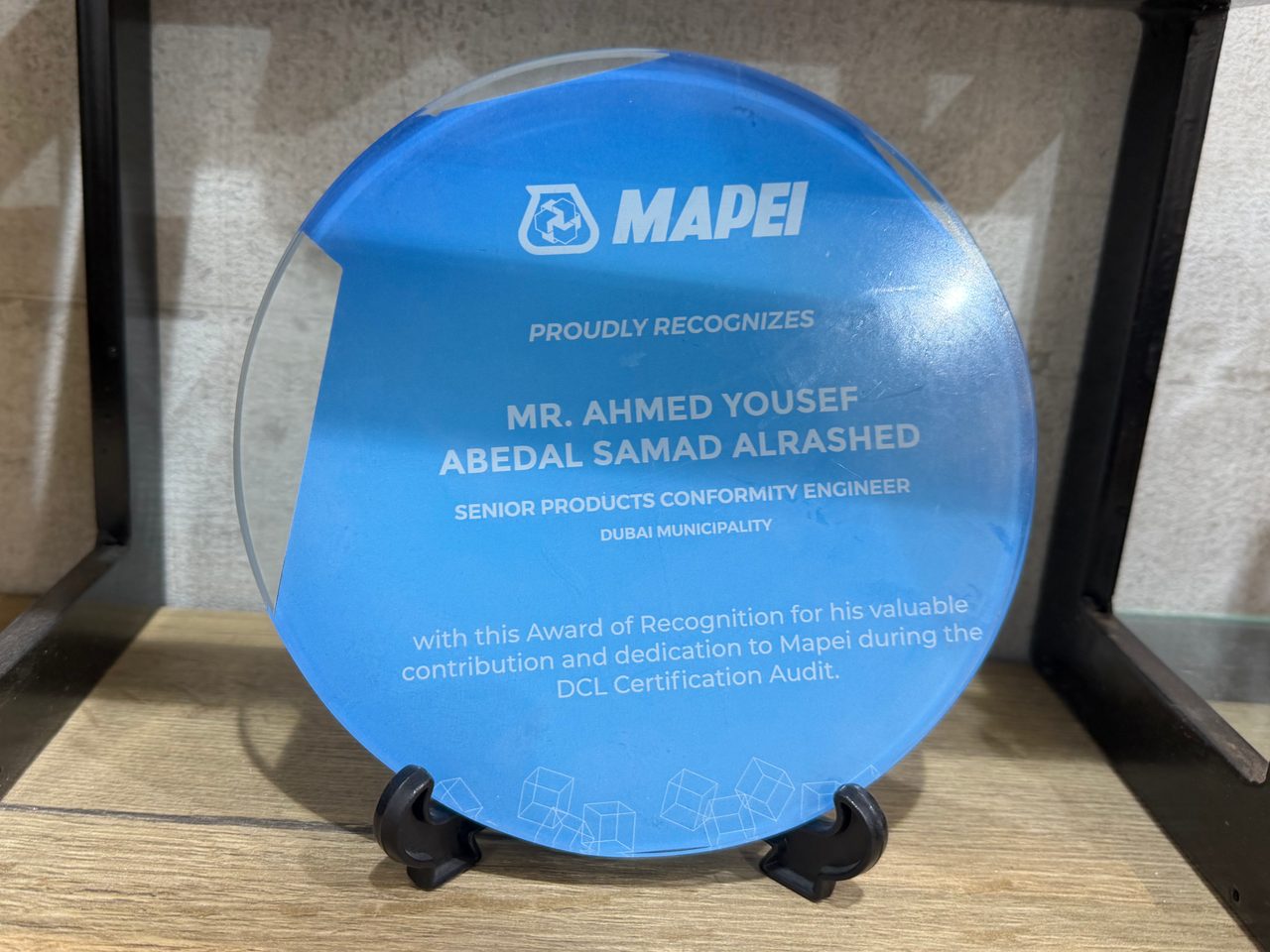
Engraving cuts or frosts the crystal. The mark is colourless, you see through it, and it changes appearance depending on what is behind the piece. The name plate in the photograph above is engraved: look at the lettering and you can see the blue satin lining straight through it.
Printing puts ink on the face of the crystal, over a white layer where the artwork needs to stay solid. That is how a brand colour, a gradient or a photograph gets onto an award, and it is what we do. Our guide to custom trophies, awards and plaques goes through the four award materials and how each one takes ink.
Neither is better. A single-colour name in a corporate typeface is a perfectly good engraving. A logo with three brand colours in it is not, and that is the case where printing is the only honest option.
What to send us
- The box itself, or its exact make and size. We print on what you supply and we do not manufacture boxes, so the blanks come from you or from your supplier.
- Vector artwork where it exists, with any Arabic converted to outlines so the letterforms cannot reflow.
- Which faces you want printed. The lid is the usual one; sides are possible, and a hinge or a clasp sets a limit on how close to an edge we can go.
- The quantity and the date it is needed, so the sample and the run are scheduled against something real.
There is no minimum order. One box is a job we will take, and for a first velvet piece it is usually the right way to start.
A sample is AED 105 or AED 150 depending on what it is, and that fee comes off the invoice when you go ahead. On a repeat order there is no sample fee at all: where a fresh sample is needed we charge only what it actually costs. Samples run one to three working days once the artwork is approved and the box is with us.
Frequently asked questions
Can you print on velvet?
Will the print rub off a velvet box?
Can you print a logo on a velvet box I already bought?
Can you print white on a dark velvet box?
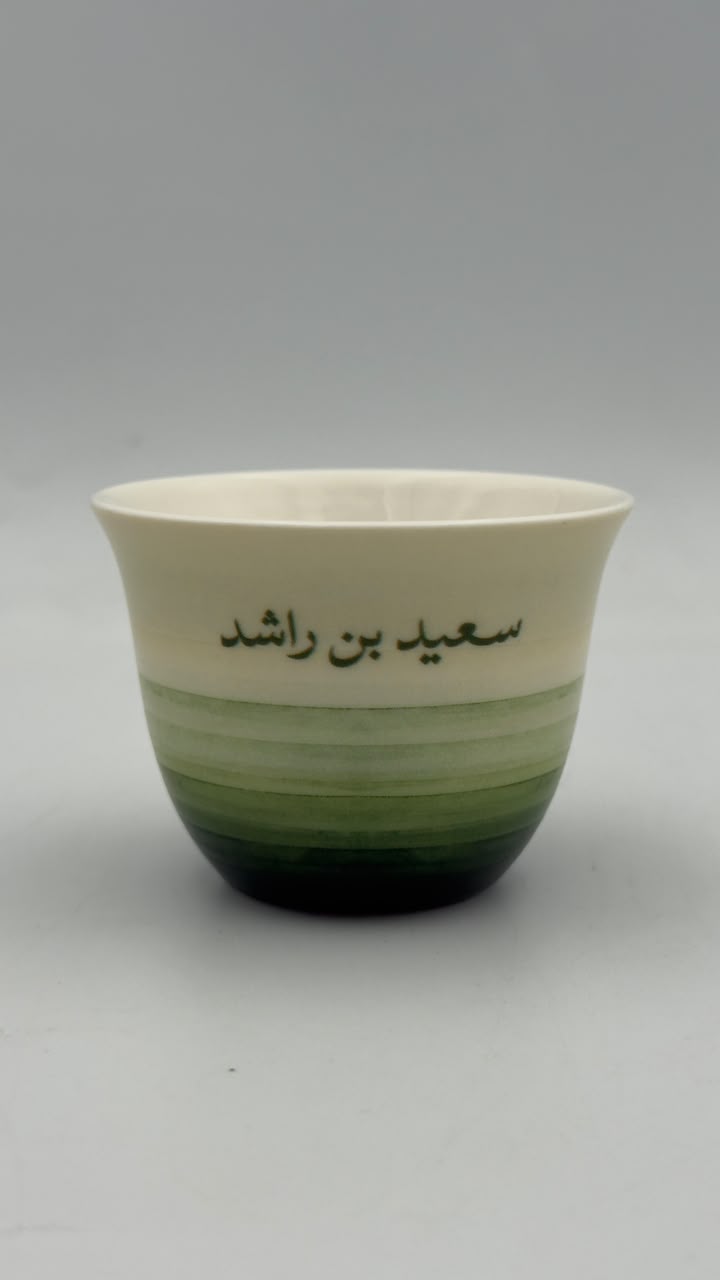
Can you print Arabic and English on the same lid?
Is the crystal award printed or engraved?
Is there a minimum order for printed boxes?
How long does a sample take?
What does a sample cost?
Have a velvet box to print?
Send a photograph of the box and the artwork and we will tell you what the pile will do to it, print one, and let you decide from the piece in your hand.
Sun Studio LLC
Al Quoz First, Dubai, United Arab Emirates
Call: +971 4 346 7422
Email: info@sunstudio.ae